
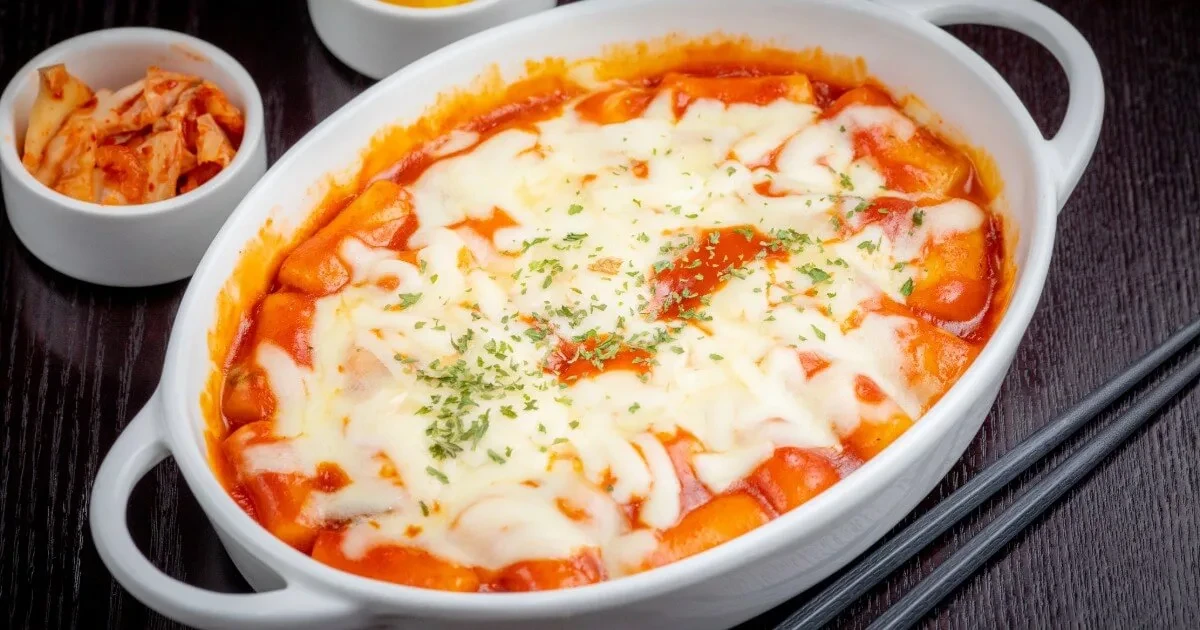
Tteokbokki is one of the most well-known street delicacies of Korean cuisine, prepared by cooking Korean rice cakes in a thick and aromatic sauce. The soft but chewy rice cake texture can transform into very different flavors depending on the sauce used and ingredients added. Rao China's menu includes different options such as plain, sausage, cheese, beef and creamy Rose Tteokbokki.
When choosing tteokbokki you only have to ask “is it bitter?” It is not enough to decide based on the question. Additional ingredients such as cheese, meat, sausage or cream change both the flavor and density of the dish. When ordering Tteokbokki in Çankaya, sauce character, protein preference, dairy content and allergens should be evaluated together.
The basis of tteokbokki is rice cakes known as “tteok” in Korean cuisine. The rice cake here is completely different from sweet or crunchy cakes. Tteok is usually prepared in a long and cylindrical shape; It has a dense, flexible and chewy texture.
When cooked in sauce, the outer part of the rice cake softens while the characteristic elasticity inside is preserved. The flavor of tteokbokki is largely determined by the sauce used. Spicy, sweet-hot, cheesy or creamy sauces can transform the same rice cake into a very different dish.
Plain Tteokbokki at Rao China is one of the options that can be considered for those who prefer the basic Tteokbokki experience. The flavor of the main sauce can be felt more clearly with rice cake instead of extra cheese, meat or cream.
Just because the product is simple does not necessarily mean that it is painless. Since the bitterness level of tteokbokki sauce may vary depending on the recipe used, it would be better for people sensitive to bitterness to ask the current bitterness level before ordering.
Cheese Tteokbokki is one of the denser and creamier options of Tteokbokki complemented with cheese. Cheese can balance the tanginess of the spicy sauce and create a milder flavor with the chewy texture of the rice cake.
The cheese option can be especially appreciated by people who find the sauce of classic Tteokbokki intense. However, if there is a milk allergy, lactose sensitivity or abstinence from dairy products, the content of the cheese used should be checked before ordering.
Tteokbokki with Sausage is a variety made more dense and protein-rich by adding sausage to rice cakes. The salty and distinct flavor of the sausage, when combined with Tteokbokki sauce, can create a stronger flavor profile than the plain option.
Since it is not clear from the product name which meat the sausage is made from, people who do not consume certain types of meat should ask about the ingredients before ordering. It is also beneficial for people with allergen or additive sensitivities to also confirm current product information.
Beef Tteokbokki is one of the more protein-rich options, combining Korean rice cakes with beef. The distinctive flavor of the beef, combined with the Tteokbokki sauce, creates a different flavor balance compared to plain and cheese varieties.
It can be considered by people looking for a more satisfying Tteokbokki option. However, since the amount of meat, portion size and content of the sauce used may change, current information should be checked when ordering.
Rose Tteokbokki is a creamier version of the classic spicy Tteokbokki sauce. The term “Rose” does not mean rosé wine here; It refers to the color and flavor profile that results from the combination of red-toned sauce and cream-like ingredients.
Creamy texture can reduce the bitterness of the spice in the mouth and provide a more rounded taste. But Rose Tteokbokki is not automatically pain-free. People who do not consume hot sauce should also learn the current sauce level.
Plain Tteokbokki appeals to those who want to feel the rice cake and mother sauce character more directly. While Cheese Tteokbokki softens the sauce with the density and creamy texture of the cheese, Rose Tteokbokki creates a different balance with its creamy sauce profile.
Those who want a more classic and sauce-oriented taste can consider the plain option, those who like the cheese flavor can consider Cheese Tteokbokki, and those who want a creamy and softer sauce character can consider Rose Tteokbokki.
Although Tteokbokki is generally known among spicy Korean dishes, the bitterness level of each recipe is not the same. The chili product used, the amount of sauce, and the balance of the recipe change how much bitterness will be felt.
In cheese or cream varieties, the effect of dairy products may soften the feeling of bitterness somewhat. However, it should not be assumed that the product is painless by looking at the expressions "Cheese" or "Rose". People sensitive to pain should confirm the level when ordering.
Tteokbokki and Rabokki are Korean dishes that are very close to each other. While the basis of tteokbokki is rice cakes cooked in sauce, Rabokki is prepared by adding ramen noodles to this structure. Therefore, Rabokki can offer a more noodle and voluminous dining experience.
Those who want the characteristic chewy texture of rice cake can consider Tteokbokki, and those who want rice cake and ramen noodles on the same plate can consider Rabokki varieties.
When ordering Korean food in Çankaya, you can choose Plain Tteokbokki for a more classic experience, Cheese Tteokbokki for a cheese flavor, Beef or Sausage Tteokbokki for a protein-based option, and Rose Tteokbokki for those who want a creamier sauce.
If more than one person is ordering, sharing different Tteokbokki flavors can make it easier to compare sauce and ingredient differences. Choosing products separately creates a more controlled order, especially for people with different bitterness tolerance.
Just because the word "rice" is in the rice cake name does not automatically mean that the product is gluten-free. Wheat-containing ingredients may be present in the production of rice cakes or in the sauces used. Soy-based sauces should also be checked separately for gluten.
Dairy products in Cheese and Rose Tteokbokki varieties; For hot dog and beef options, meat and other additional ingredients should be taken into account. Since sesame, eggs, seafood and different allergens can be used in the same kitchen, the possibility of cross-contact should also be asked in cases of serious allergies.
As the tteokbokki stays in the package, the rice cakes continue to absorb the sauce. This may cause the sauce to become thicker and cause the rice cakes to stick together.
It is appropriate to consume Tteokbokki as soon as possible after delivery in order to better preserve the characteristic soft and chewy texture.
Chinese Style Chicken Varieties: General Tso, Spicy Mushroom and Broccoli Chicken Previous
Asian Soups Guide: Hot and Sour Soup and Wonton Soup next
Your email address will not be published. Required fields are marked *

0 Comments