
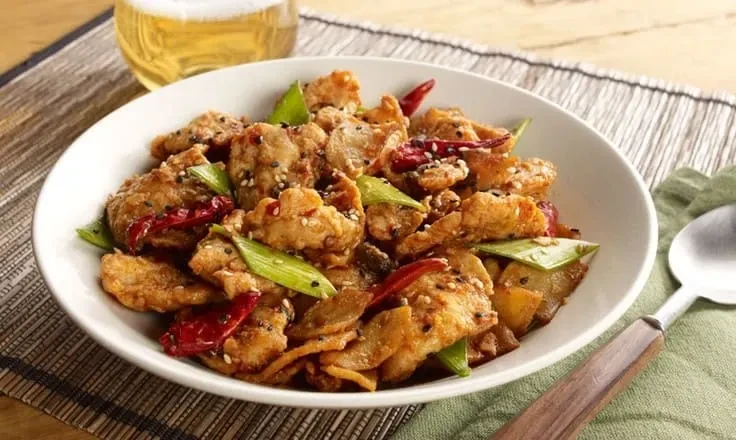
Udon and soba are two different types of noodles used in Japanese cuisine. While udon is generally distinguished by its thick, plump and chewy texture, soba has a thinner noodle texture and is traditionally associated with buckwheat. However, since the flour mixtures, sauces and preparation methods used in restaurants may vary, a definitive decision about the content or gluten should not be made just by looking at the name "udon" or "soba".
Rao China menu includes beef and chicken udon options, as well as different noodle alternatives such as chicken soba. When ordering Japanese noodles in Çankaya, evaluating the thickness of the noodle, sauce character, protein preference and allergen information together provides a more accurate choice.
Udon is one of the thick noodle varieties of Japanese cuisine. Thanks to its plump and elastic structure, it can carry the sauce strongly and a distinct noodle texture is felt in every bite. Therefore, it can be preferred by people who like denser and chewier noodles.
Since udon is mostly prepared with wheat flour, it is not considered gluten-free in its standard form. However, since the formula of the noodles used may vary depending on the manufacturer and recipe, the current content of the product should also be verified in cases of severe gluten sensitivity.
Rao China's Beef Udon is one of the options that combines beef with thick udon noodles. The more pronounced flavor of the beef, combined with the dense and chewy texture of udon, can create a stronger flavor profile.
The way the meat is prepared, the vegetables used, the amount of sauce and the portion size affect the overall character of the dish. If details are limited in the current product description, ingredient and allergen information can be obtained from the restaurant before ordering.
Chicken Udon with Dali Sauce combines chicken meat, Dali sauce and thick udon noodles. The wide surface and plump structure of udon can help the sauce be felt more clearly in every bite.
The name “Dali sauce” alone does not describe the level of bitterness of the sauce or all its ingredients. People who are sensitive to bitterness or are careful about allergens such as soy, sesame and gluten should check the current content of the sauce before ordering.
Soba is a noodle traditionally associated with buckwheat in Japanese cuisine and has a thinner texture than udon. Due to its thinner form, it creates a different texture in the mouth than udon, and the way it comes into contact with the sauce may also change.
Although buckwheat does not naturally contain gluten, commercial soba noodles do not have to be prepared from buckwheat alone. Wheat flour can be used to change the structure and elasticity. Therefore, the term “soba” does not automatically indicate that the product is gluten-free.
Chicken Dali Sauce Soup can offer a flavor profile similar to the udon option in terms of using chicken and Dali sauce. The main difference is the texture of the noodles: soba is thinner, while udon is thicker and has a chewy character.
This comparison is especially useful for people who want to try the same protein and similar sauce profile with two different noodles. Those who like thick noodles can choose udon, while those who want a thinner noodle that integrates with the sauce can choose soba.
The most obvious difference between the two noodles is the thickness and texture. Udon gives a denser mouthfeel with its thick, soft and elastic structure. Soba, on the other hand, offers a different chewing experience due to its thinner structure and is traditionally known for its use of buckwheat.
Not only the noodle itself but also the sauce and protein used are important in determining the taste. Even udon and soba prepared with the same chicken and sauce may be perceived differently due to the thickness of the noodles.
Thicker udon can make it feel more dense and satisfying in the mouth; However, one cannot draw definitive conclusions about nutritional value or true satiety just by looking at the thickness of the noodle. Portion weight, amount of protein, fat and sauce used determine the total meal.
Portion sensation can change significantly when beef, chicken or different by-products are added. Therefore, in the satiety comparison, only "udon or soba?" Instead of asking the question, it is necessary to look at the content of the entire meal.
Those who want a thicker, fuller and chewier noodle can consider Udon with Chicken Dali Sauce. For those who prefer a thinner noodle structure, Chicken Dali Sauce Soba is an alternative. Since the same sauce and protein are used, the choice can largely come down to texture preference.
Those who prefer beef can check out Beef Udon. The menu also includes Beef Pasta with Dali Sauce , offering another alternative for those who want to try Dali sauce with a different dough product. This product should be considered pasta, not udon or soba.
“Noodle” can be used as a general term to refer to a broad group of noodles. Udon and soba are Japanese noodle varieties that have their own dough structure, thickness and preparation traditions within this broad category.
Therefore, the use of the terms noodle, udon and soba separately in the menu is not just a difference in name. The thickness and structure of the noodles and the overall texture of the dish may vary depending on the product chosen.
When ordering udon or soba in Çankaya, deciding on the noodle texture first makes the choice easier. Those who want thick and chewy noodles can use udon, and those who want a thinner structure can use soba. Then, the choice of chicken or beef and the sauce character can be taken into consideration.
Bitterness and sauce density are perceived differently from person to person. When ordering, the restaurant should be asked whether "less sauce", "less hot" or similar requests can be applied.
Udon is one of the noodles that should be taken with special attention in case of gluten sensitivity, as it contains mostly wheat. Although soba is associated with buckwheat, it may have been prepared with wheat flour. For celiac or severe gluten sensitivity, product-by-product verification must be made for both noodles.
Dali sauce and other sauces may contain soy, sesame, wheat or other allergens. Additionally, cooking noodles in the same wok, pan or preparation surface may create the possibility of cross-contact. In case of severe allergies, this should also be reported to the restaurant.
Udon or soba continues to absorb liquid as it sits in the hot sauce. This may cause the noodles to become softer over time and change their initial texture.
Especially in thinner soba noodles, the change in texture can be noticed more quickly. Consuming takeaway orders as soon as possible after delivery and asking if the sauce can be sent separately, if possible, can help preserve the texture.
Asian Soups Guide: Hot and Sour Soup and Wonton Soup Previous
Post-Asian Dessert: Fried Banana, Pineapple and Profiteroles next
Your email address will not be published. Required fields are marked *

0 Comments