
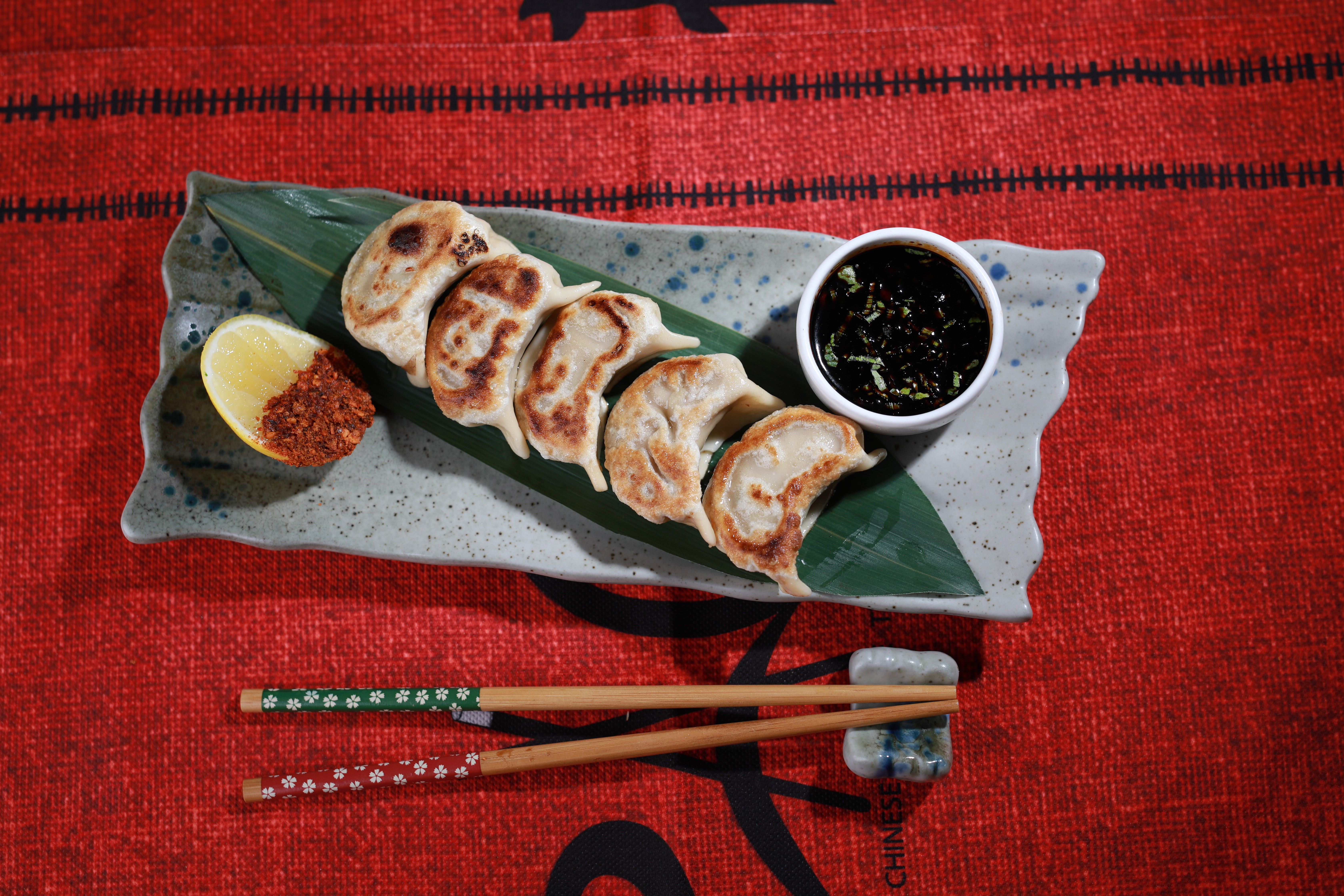
Gyoza, wonton and steamed dumplings; They are Asian cuisine flavors that are similar to each other in that the thin dough is closed around different fillings. However, the thickness of the dough, the way it is folded, the filling used and the cooking method clearly distinguish these three products from each other. Gyoza can be pan-fried or steamed; wonton fried or in soup; Steamed manti can be served with a softer and moister dough texture.
When ordering Asian dumplings in Çankaya, the type of filling, cooking method, sauce served with it and allergen information should be evaluated together, instead of choosing only based on the product name. This way, a more accurate choice can be made depending on your preference for crispy, soft or juicy texture.
Gyoza is usually prepared by closing thin, round dough into a half-moon shape around a meat, chicken or vegetable-based filling. The folded structure created on the edges is one of the most characteristic visual features of gyoza.
The texture of gyoza may vary depending on the cooking method. In samples cooked in a pan, the bottom surface becomes crispy, while the upper part may remain softer due to the steam effect. In gyozas that are cooked only with steam, the outer surface acquires a completely soft and moist character.
Rao China's Chicken Meat Gyoza is stated as having chicken filling in the current product description. Portion, sauce content and allergen information should be checked on a product-by-product basis before ordering.
Although gyoza and wonton are similar filled dough products, their dough structure and folding styles are different. Wonton dough can often be thinner and sealed in different shapes than square dough sheets. Gyoza, on the other hand, is mostly prepared with round dough and closed in a half-moon shape.
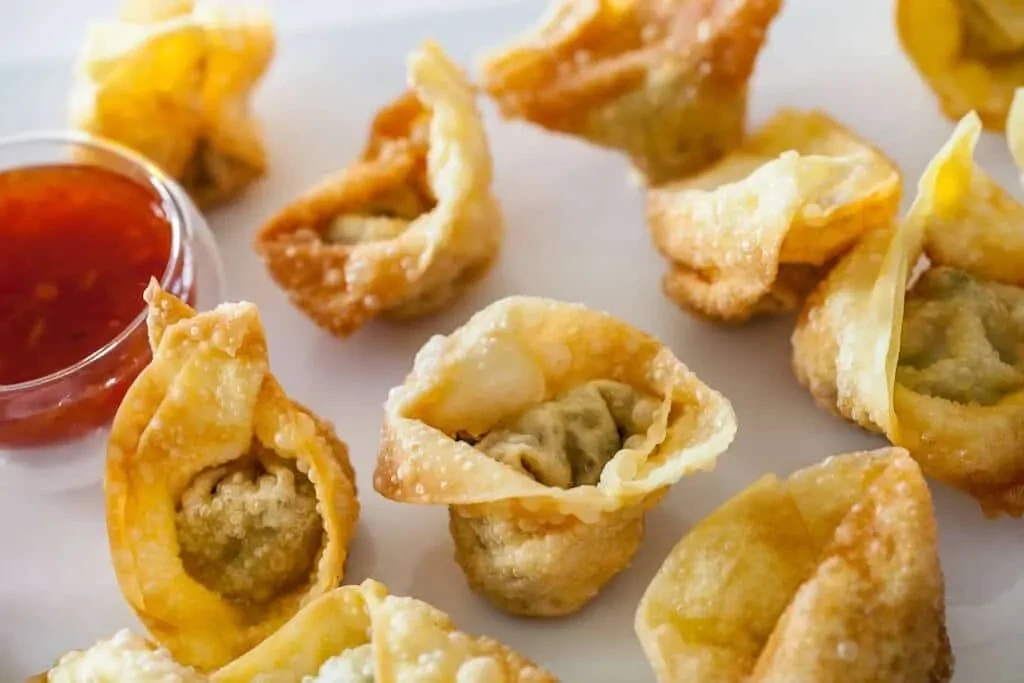
Cooking methods also make a significant difference between the two products. When wonton is served in soup, it absorbs the broth and softens; When fried, it becomes a completely crispy starter. Gyoza, on the other hand, can offer both crispy and soft texture in the same portion, with the cooking method that uses pan and steam together.
Those who want a crispier and snack-like starter can choose fried wonton. For those looking for a hot, juicy and softer option, wonton soup may be more suitable.
Wonton's adaptability to different cooking methods makes it one of the most flexible filling dough options in Asian cuisine. The same product group can be fried and crispy, or served in broth to gain a completely different flavor character.
Steamed Chicken Ravioli is a soft textured option served with chicken filling and special sauce. During steaming, the outer surface of the dough does not brown; Instead, a flexible and soft structure that preserves its moisture is formed.
Steamed options may be more suitable for people who do not like crispy dough or prefer a softer Asian dumpling. However, steaming does not automatically mean that the product is less caloric or gluten-free.
The most obvious criterion in choosing between the three products is texture preference. Those who want a completely crispy surface can choose fried wonton, those who want a softer dough can choose steamed chicken manti, and those who want both a crispy and soft texture can choose gyoza depending on the cooking method.
The type of filler is also important in selection. Different fillings such as chicken, beef, shrimp or vegetables can change the flavor profile of the product. Therefore, checking not only the name of the product but also its current content description allows a more accurate choice to be made.
Sauces used with products such as gyoza, wonton and steamed dumplings are an important element that complements the main taste. Soy-based, sweet-sour, hot or sesame-flavored sauces can significantly change the taste of the same product.
Serving the sauce separately allows the amount to be adjusted according to personal preference and can help preserve the crispy texture of the dough longer, especially in fried products.
When ordering gyoza, wonton or steamed manti in Çankaya, you can first determine the cooking method and filling preference. Then, the number of servings, the sauce served with it and current price information should be checked on the product page.
Allergens such as gluten, egg, soy and sesame can be found in both the dough and sauces. It is important for people with allergies or special dietary needs to ask the restaurant about the possibility of cross-contact before ordering. For package orders, it is recommended that the products be consumed as soon as possible after delivery in order to preserve their dough texture.
What is Wonton? Differences Between Fried Wonton and Wonton Soup Previous
What is Gimbap? Beef, Classic and Vegan Gimbap Guide next
Your email address will not be published. Required fields are marked *

0 Comments