
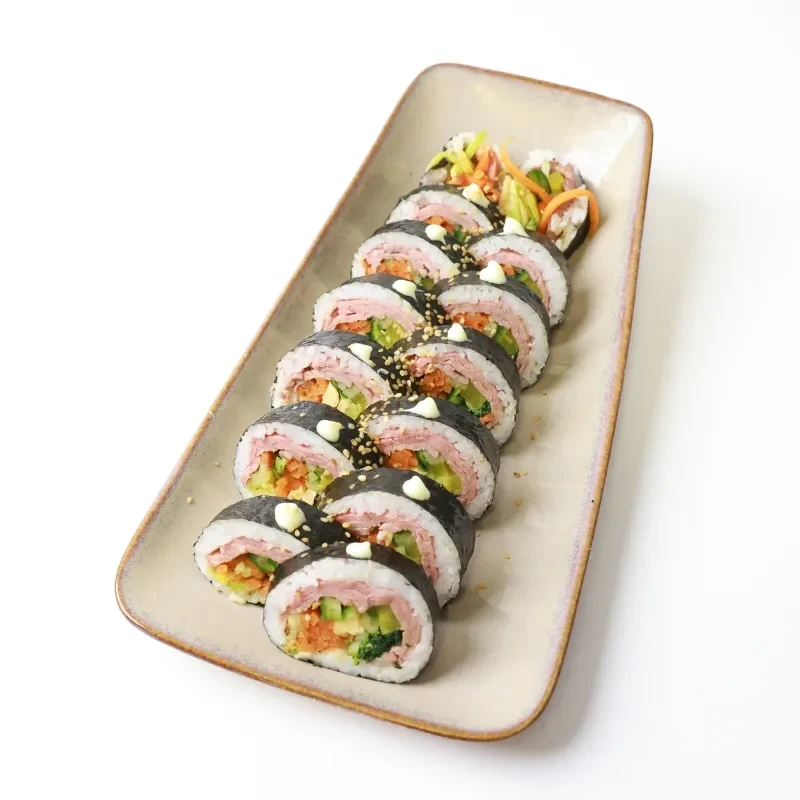
Gimbap; It is one of the popular flavors of Korean cuisine, prepared by wrapping rice, vegetables and different fillings with seaweed and slicing them into rolls. Since it can be prepared with meat, vegetables and vegan varieties, it can offer different flavor profiles depending on the ingredients used. Although it is confused with sushi due to its sliced roll appearance, gimbap and sushi are not the same dish.
The seasoning of the rice used in gimbap, the filling materials and the service approach may differ from sushi varieties. When ordering gimbap in Çankaya, checking the meat, vegetables, sauce and other ingredients in the description instead of just looking at the name or appearance of the product will help you make a better choice.
When preparing gimbap, cooked rice is spread on seaweed; The selected meat, vegetable or other fillings are then placed on top of the rice. After the ingredients are rolled, the gimbap is cut into small easy-to-eat slices and served.
The filler used is not limited to a single standard. Beef, eggs, avocado and different vegetables can be used, or it can be prepared with completely vegetable fillings. This diversity makes gimbap a Korean dish that can be adapted to different tastes and dietary preferences.
Gimbap and sushi may resemble each other in appearance as they can be prepared in roll form using rice and seaweed. However, “gimbap” and “sushi” are not two different names for the same product. Gimbap is a product group belonging to Korean cuisine and sushi is a product group belonging to Japanese cuisine.
One of the main differences is the way the rice and filling are prepared. Meats, eggs and different vegetables cooked in gimbap can be widely used. Sushi, on the other hand, is a much broader category, but has a different structure in terms of rice preparation, use of fish and seafood, and service traditions.
Therefore, the only difference between gimbap and sushi is “is there raw fish?” It is not correct to explain it with the question. While it is not mandatory to include raw fish in gimbap, sushi menus can also include options with vegetables, cooked seafood or tempura.
The
Beef Gimbap description on the Rao China menu includes beef, avocado and vegetables. It is one of the options that can be considered for those who want the more pronounced flavor of meat in the same roll with vegetables and rice.
The way the beef is prepared and the sauces used can affect the overall flavor character of the gimbap. People with allergies or special dietary requirements should also check the sauce ingredients and possible allergens before ordering.
Classic Gimbap are described on the product page as classic kimbap rolls. However, since the term “classic” alone does not describe all the ingredients, it is important to check the current filling content when ordering. Especially people who do not consume eggs, meat, soy or sesame should not make assumptions based on the product name.
Vegan Gimbap contains vegetables and avocado according to the current product description. It can be considered for those looking for a meat-free gimbap alternative. In a vegan diet, in addition to the filling, the seasoning of the rice, the sauces used and the possibility of cross-contact that may occur during preparation should also be taken into consideration.
The idea that gimbap necessarily contains raw fish is a common confusion arising from its visual similarity to sushi. Gimbap; It can be prepared with a wide variety of fillings such as cooked meat, eggs, avocado and different vegetables.
Therefore, suitable gimbap varieties can be found for people who do not consume raw fish. However, before making a final decision, it is necessary to check the current content description of the selected product.
Since Gimbap is served in slices, it can be consumed as a stand-alone meal or as a meal to share or as a complement to different Asian cuisine flavors. If the portion weight or number of slices is not specified on the product page, it would be better to get updated information from the restaurant instead of guessing.
In orders placed for more than one person, beef, classic and vegan gimbap varieties can be evaluated together according to different dietary preferences. Separate packaging of different varieties may also be requested to prevent mixing of products.
In order for gimbap to retain the texture of rice, seaweed and vegetables, it is suitable to be consumed as soon as possible after preparation or delivery. Rice left in a cold environment for a long time may harden and the initial texture of the product may change.
Especially varieties containing meat or other delicate fillings should not be left at room temperature for a long time. For package orders, the product must be consumed within the appropriate time after receipt.
When ordering gimbap in Çankaya, you can first choose the one that suits your taste among the beef, classic or vegan options. Then it is useful to check the filling, sauce, serving and current price information in the product description.
Particular care should be taken regarding allergens. Gimbap varieties or sauces served with them may contain ingredients containing soy, sesame, egg and wheat. The phrase vegan does not automatically mean that the product is gluten-free.
If there is a serious food allergy, the product description should not be relied upon alone; The ingredients and the possibility of cross-contact in the kitchen should be asked directly to the restaurant. Stating the allergen with its clear name in the order note also provides more accurate communication than using vague expressions.
Guide to Asian Dumplings: Gyoza, Wonton and Steamed Dumplings Previous
What is the Difference Between Nigiri and Sashimi? Order Guide next
Your email address will not be published. Required fields are marked *

0 Comments